One of the first questions almost every client asks me is:
“How much is this going to cost?”
It’s a perfectly reasonable question.
The problem is that landscaping isn’t a product you can buy off a shelf. Every garden is different, every family has different priorities and every site presents its own challenges.
That’s why I think most people are asking the wrong question.
Instead of asking:
“How much does landscaping cost?”
I think the better question is:
“What am I trying to achieve?”
That answer usually determines the budget far more than the size of the garden.
Landscaping Isn’t Expensive. Bad Decisions Are.
This might sound controversial, but I don’t believe landscaping is expensive.
Poor decisions are.
I’ve seen homeowners spend thousands replacing work that was only a few years old because the original project solved the wrong problem.
The patio looked great, but nobody used it.
The lawn became waterlogged.
The planting quickly outgrew the space.
The garden looked beautiful on day one but became difficult to maintain.
Most of these problems could have been avoided with better planning before construction ever began.
That’s exactly why I believe every successful project starts with a proper design. If you’re considering a complete transformation, our Complete Guide to Garden Design in Ireland (2026) explains why planning should always come before construction.
Landscaping Is About Lifestyle, Not Materials
One thing I’ve learned over the years is that clients rarely care about paving.
They think they do.
What they actually care about is spending more time outside.
They want somewhere to entertain.
Somewhere for the children to play.
Somewhere to relax after work.
The porcelain, sandstone and timber are simply tools that help create that experience.
When you begin with lifestyle instead of products, the finished garden almost always works better.
What Actually Determines the Cost?
Many people assume the size of the garden is the biggest influence on price.
Sometimes that’s true.
Often it isn’t.
The biggest factors usually include:
- Ground conditions.
- Site access.
- Drainage requirements.
- Retaining walls.
- Choice of materials.
- Joinery.
- Planting.
- Lighting.
- Existing demolition.
- Overall specification.
Two gardens of exactly the same size can differ in cost by tens of thousands of euro simply because one is much more complex to build.
Typical Landscaping Budgets in Dublin
Every project is different, but these figures provide a realistic guide.
€5,000–€10,000
Typically suitable for:
- Small patios.
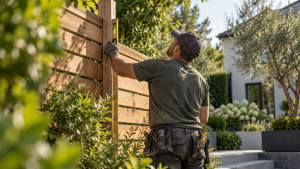
- Fencing.
- New lawns.
- Planting improvements.
- General garden refreshes.
€10,000–€25,000
This is where complete transformations often begin.
Projects at this level may include:
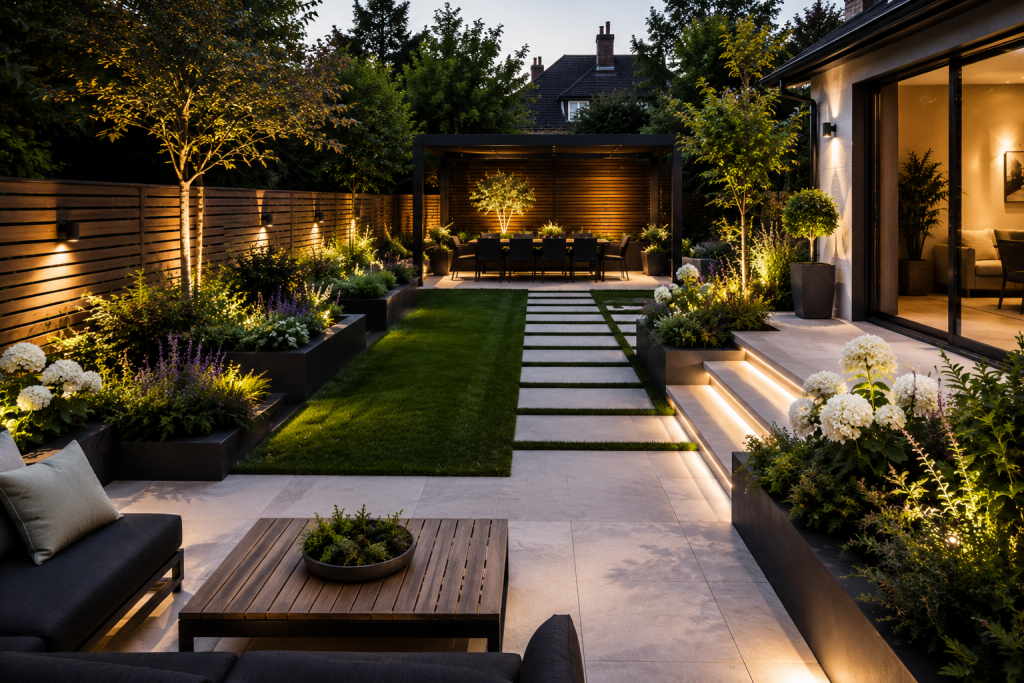
- Porcelain or natural stone paving.
- Contemporary fencing.
- Raised beds.
- Planting.
- Lighting.
- Drainage improvements.
€25,000–€50,000+
Larger projects often include:
- Complete garden redesign.
- Bespoke joinery.
- Retaining walls.
- Premium paving.
- Mature planting.
- Outdoor kitchens.
- Pergolas.
- Feature lighting.
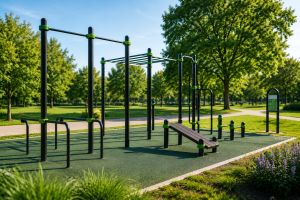
- Outdoor gyms.
- Water features.
At this level, every design decision influences the next.
Why Are Landscaping Quotes So Different?
One contractor quotes €18,000.
Another quotes €30,000.
How can both be looking at the same garden?
Because they usually aren’t quoting the same project.
One contractor may include:
- Better foundations.
- Higher-quality materials.
- Drainage.
- Larger plants.
- Premium lighting.
- Better workmanship.
- Waste removal.
Another may simply be pricing the visible surface.
That’s why I always tell clients not to compare totals.
Compare specifications.
A cheaper quote isn’t necessarily better value.
The Cheapest Quote Is Rarely the Cheapest Garden
This is probably my strongest opinion.
I occasionally lose work because I’m not the cheapest.
I’m completely comfortable with that.
If one quotation is dramatically lower than the others, don’t immediately assume you’ve found a bargain.
Ask yourself:
“What has been left out?”
Landscaping is one of those industries where shortcuts often remain hidden until years later.
Poor foundations.
Insufficient drainage.
Inferior materials.
Rushed workmanship.
Those aren’t bargains.
They’re delayed expenses.
A Good Design Often Saves Money
People sometimes question paying for garden design.
I understand that.
But if you’re about to invest €20,000, €40,000 or €60,000 into your garden, doesn’t it make sense to first decide where every euro should go?
A good design prevents expensive mistakes.
It avoids unnecessary changes during construction.
Most importantly, it helps ensure you’re investing in the things that actually improve how you use your garden.
If you’re still unsure whether professional design is worthwhile, I explain my thinking in Why Your Garden Needs Professional Design (Not Just Installation).
Think About Long-Term Value
A well-designed garden isn’t simply about increasing the value of your property.
It’s about improving the quality of your life.
A beautiful outdoor space becomes another room.
Somewhere to enjoy your morning coffee.
Somewhere to entertain.
Somewhere your children remember growing up.
Those things are difficult to put a price on.
Should You Complete the Project in Phases?
Absolutely.
In fact, I often recommend it.
I’d much rather see someone complete a well-planned project over two or three phases than compromise the overall design simply to hit a budget.
The important thing is that every phase forms part of one long-term vision.
How We Approach Landscaping Projects
At SAS Landscapes, we don’t begin by asking what paving you want.
We begin by asking how you want to use your garden.
Sometimes that leads to a smaller project.
Sometimes it leads to a larger one.
Our job isn’t to sell the biggest project possible.
Our job is to recommend the solution we genuinely believe will serve you best over the long term.
Frequently Asked Questions
Can you provide a quotation without visiting my property?
For most projects, no. Every garden has different levels, access restrictions, drainage requirements and opportunities that need to be assessed in person.
Is porcelain more expensive than natural stone?
Not always. Installation methods, product quality and site conditions often have a greater impact on the overall cost than the paving material itself.
Can I reduce costs by completing the project in stages?
Yes. In many cases, phasing the work is a sensible way to spread the investment while maintaining one coherent design.
How can I reduce maintenance costs in the future?
Good design plays a huge role. Choosing appropriate materials, planting and layouts can significantly reduce future maintenance. Our guide How Often Should I Have My Garden Maintained? explains how regular maintenance protects your investment over the long term.
Final Thoughts
The question isn’t really:
“How much does landscaping cost?”
The better question is:
“What kind of garden do I want to create?”
Once you understand that, the budget becomes much easier to plan.
A well-designed garden is one of the few investments that improves both your home and your everyday life.
If you’re considering transforming your outdoor space and would like honest advice about what your budget can realistically achieve, we’d be delighted to help.