Welcome
A beautiful garden rarely happens by accident.
The outdoor spaces that people admire most aren’t necessarily the biggest or the most expensive. More often than not, they’re simply the result of hundreds of good decisions made in the right order.
Whether you’re planning a complete garden transformation, replacing an old patio or simply wondering where to begin, the same principles apply. Good garden design isn’t about following trends or copying photographs from Pinterest. It’s about creating an outdoor space that reflects how you live, solves the problems unique to your property and continues to improve with time.
Unfortunately, many homeowners start at the wrong end of the process.
They begin by choosing paving, ordering plants or buying a pergola before asking a far more important question:
“What do I actually want my garden to do for me?”
That single question changes everything.
A garden designed around your lifestyle will almost always outperform one designed around materials alone.
Throughout this guide, we’ll walk you through the same process that professional landscape designers use when planning successful gardens across Ireland. We’ll cover everything from layout, drainage and planting to budgeting, construction and long-term maintenance, helping you understand not only what decisions to make, but why they matter.
By the end, you’ll have a clear understanding of how to approach your project with confidence, avoid common mistakes and make informed decisions that add lasting value to your home.
Let’s begin where every great garden starts—not with paving or plants, but with purpose.
Chapter 1
Why Most Gardens Never Reach Their Potential
One of the biggest misconceptions about garden design is that it’s about making a space look attractive.
In reality, appearance is only the outcome.
Good design begins by solving problems.
Every garden presents a unique set of challenges. Some suffer from poor drainage, awkward levels or overlooked boundaries. Others simply don’t reflect how the homeowners actually live. A large lawn may look appealing on paper, but if it never gets used, is it really adding value? Likewise, a beautiful dining terrace serves little purpose if it’s permanently in shade or exposed to strong winds.
This is where professional garden design differs from simply choosing products.
Rather than asking, “What paving should we use?” or “Which plants do we like?”, experienced designers begin by understanding the people who will use the space.
How do they spend time outdoors?
Do they entertain regularly?
Do they have young children?
Will the garden need to be low maintenance?
Is privacy important?
Do they work from home and want somewhere quiet to sit?
Are they passionate about fitness and interested in an outdoor gym?
The answers to these questions shape every decision that follows.
It’s also important to recognise that a garden is a long-term investment. Materials will weather, plants will grow and family circumstances will change. A well-designed garden should be able to adapt over time without losing its character or functionality.
Many homeowners make the mistake of focusing on individual features rather than the overall experience.
A porcelain patio won’t transform a poorly planned layout.
A pergola won’t fix a lack of privacy.
Beautiful planting won’t compensate for drainage problems.
Every successful garden is the result of many elements working together.
That’s why the planning stage is so important.
If you’d like to explore one aspect of this in more detail, our guide How Do Landscape Designers Create Curb Appeal? explains how thoughtful design decisions create a strong first impression while adding genuine value to a property.
Before choosing a single material or planting a single shrub, however, there’s one question that should guide the entire project:
How do you want to live in your garden?
That’s where we’ll begin in the next chapter.
Chapter 2
Design Your Lifestyle Before You Design Your Garden
If there’s one piece of advice we could give every homeowner before they begin a landscaping project, it would be this:
Don’t start by choosing paving.
Don’t start by choosing plants.
Don’t start by looking at Pinterest.
Instead, start by asking yourself a much simpler question:
How do I want to live in this garden?
The answer to that question will influence every design decision that follows.
One of the biggest mistakes homeowners make is trying to recreate a garden they’ve seen online without considering whether it actually suits their lifestyle. A photograph can provide inspiration, but it can’t tell you how that space feels to use, how much maintenance it requires or whether it solves the problems in your own garden.
A successful garden isn’t measured by how closely it resembles someone else’s. It’s measured by how well it serves the people who use it.
Think About the Moments, Not the Materials
When people imagine their ideal garden, they rarely picture porcelain paving or a particular species of shrub.
Instead, they imagine experiences.
They imagine drinking coffee on a sunny morning.
Watching their children play safely on the lawn.
Hosting family barbecues on a summer evening.
Growing herbs they can use in the kitchen.
Relaxing with a book after work.
Training in an outdoor gym.
Gathering around a fire pit with friends.
These moments should become the foundation of your design.
Materials simply support those experiences.
Divide Your Garden Into Purposeful Spaces
The most successful gardens feel effortless because each area has a clear purpose.
Rather than treating the garden as one large space, think of it as a series of connected outdoor rooms.
For example, your garden might include:
- A dining terrace for entertaining.
- A quiet seating area for relaxation.
- A lawn for children and pets.
- Raised beds for planting.
- A productive vegetable garden.
- An outdoor fitness area.
- A practical utility space for bins and storage.
Not every garden needs all of these features, but every garden benefits from having purpose.
When each area has a defined role, the entire space feels more organised, functional and enjoyable to use.
Design for the Way You Live Today—and Tomorrow
It’s also worth considering how your lifestyle might change over the coming years.
Young families may eventually want more entertaining space.
Children grow into teenagers.
Gardens become places to unwind rather than places to play.
Some homeowners begin working from home and suddenly value a peaceful outdoor workspace.
Others decide to invest in their health and create an outdoor calisthenics or fitness area.
A well-designed garden should have enough flexibility to evolve alongside your lifestyle without requiring a complete redesign every few years.
Function Creates Beauty
Many people assume that beauty comes first.
In reality, beautiful gardens usually begin with good function.
A pathway should lead naturally to where people want to go.
A dining area should receive sunlight when it’s most likely to be used.
A seating area should offer privacy without feeling enclosed.
Planting should frame views rather than block them.
When practical decisions are made well, beauty follows naturally.
This is one of the reasons professionally designed gardens often feel calm and intuitive. Nothing appears forced because every feature has been placed with purpose.
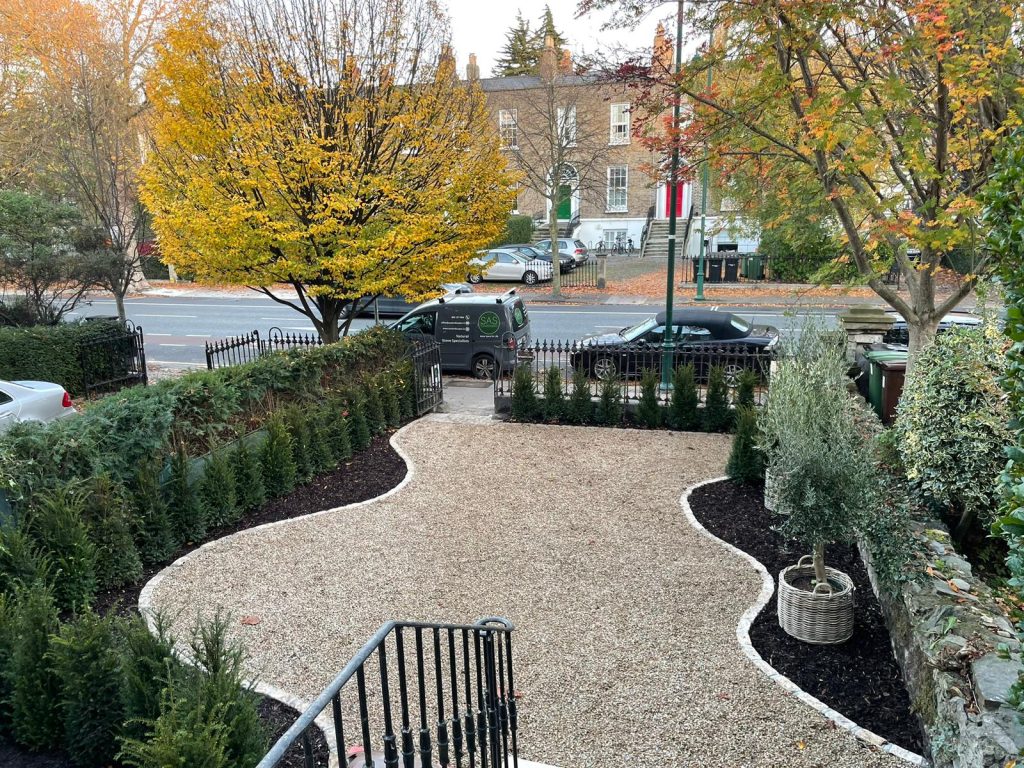
If you’d like to explore how thoughtful design decisions improve both appearance and value, read How Do Landscape Designers Create Curb Appeal?
Avoid Designing Around Trends
Garden trends come and go.
Twenty years ago, decking was everywhere.
Today, porcelain paving is one of the most requested materials.
Tomorrow, another trend will emerge.
Rather than chasing fashion, focus on creating a garden that reflects your own lifestyle and complements your home.
Timeless gardens rarely feel outdated because they prioritise proportion, balance and function over short-lived trends.
Materials can always be updated in the future.
A well-planned layout, however, will continue to serve you for decades.
Ask Yourself These Questions Before You Begin
Before making any decisions, take a few minutes to answer these questions honestly:
- How do I want to spend time in my garden?
- Who will use the space most often?
- Do I enjoy gardening, or do I prefer low maintenance?
- How important is privacy?
- Will I be entertaining guests regularly?
- Do I want my garden to encourage exercise and wellbeing?
- Which parts of the garden currently frustrate me?
- What do I absolutely want to keep?
The clearer your answers, the easier every other design decision becomes.
Key Takeaway
A great garden doesn’t begin with paving, planting or furniture.
It begins with purpose.
Once you understand how you want your garden to support your lifestyle, every subsequent decision—from layout and materials to planting and lighting—becomes simpler, more logical and ultimately more rewarding.
Chapter 3
Understand Your Garden Before You Change It
Every garden has its own strengths and challenges.
Some enjoy sunshine from morning until evening. Others spend most of the day in shade.
Some naturally drain well after heavy rain. Others hold water for days.
Some offer complete privacy. Others feel overlooked from every angle.
The temptation is often to begin changing the garden immediately.
In reality, the best designers spend time understanding the site before making a single recommendation.
Good design starts with observation.
Let Nature Tell You What’s Happening
Your garden is already giving you information.
The question is whether you’re paying attention.
Spend time observing your garden throughout the day and ask yourself:
- Where does the morning sun fall?
- Which areas receive afternoon sunshine?
- Where does the wind naturally funnel?
- Which parts stay damp after rainfall?
- Where do people naturally walk?
- Which views do you want to keep?
- Which views would you rather hide?
These answers will influence almost every design decision you make.
A dining area that never receives evening sun may rarely be used.
A seating area positioned in a windy corner may feel uncomfortable throughout much of the year.
Likewise, planting that thrives in full sun may struggle if placed in permanent shade.
Designing with these conditions rather than fighting against them produces a garden that feels natural, comfortable and far easier to maintain.
Levels Shape Everything
Changes in level are often viewed as a problem.
In reality, they can become one of a garden’s greatest strengths.
Raised terraces can create spectacular views.
Retaining walls can define spaces.
Steps introduce movement and rhythm.
Split-level gardens naturally create separate outdoor rooms.
Rather than trying to eliminate changes in level, good design often celebrates them.
The key is ensuring they remain practical, safe and visually balanced.
Drainage Should Never Be an Afterthought
Few homeowners think about drainage until something goes wrong.
Standing water, soggy lawns, algae-covered paving and damp planting beds are often symptoms of problems that could have been prevented during the design stage.
Understanding how water moves across your site is essential before deciding where to position patios, lawns or planting.
Water should always have somewhere to go.
Ignoring drainage rarely makes the problem disappear—it usually makes it more expensive to solve later.
If drainage is already a concern, our guide Can a Landscaper Help With Poor Drainage in My Garden? explains the most common causes and the solutions available.
Existing Features Can Save You Money
Not everything needs to be removed.
Many gardens already contain features worth keeping.
Examples include:
- Mature trees.
- Established hedges.
- Natural stone walls.
- Healthy lawns.
- Existing patios in good condition.
- Attractive views.
- Architectural features.
A good designer looks for opportunities to work with the site rather than starting from scratch.
Retaining quality features often reduces costs while giving the finished garden more maturity and character.
Access Matters More Than Most People Realise
One of the first practical questions a contractor will ask is:
“How are we getting into the garden?”
Narrow side entrances, steep slopes and restricted access all affect:
- Construction methods.
- Labour requirements.
- Machinery.
- Material handling.
- Project duration.
- Overall cost.
This doesn’t mean difficult sites can’t be transformed.
It simply means they require more planning.
Understanding access early prevents surprises later in the project.
Every Constraint Creates an Opportunity
Professional designers don’t see obstacles.
They see design opportunities.
A sloping garden might become a series of beautiful terraces.
An overlooked boundary could become a feature planting screen.
Poor drainage might present an opportunity to introduce rain gardens or new planting areas.
Limited space often encourages smarter layouts and better use of every square metre.
The most memorable gardens are rarely built on perfect sites.
They’re created by solving imperfect ones.
Spend Time on Site Before Making Decisions
One of the biggest mistakes homeowners make is rushing into construction.
It’s tempting to order paving or start digging as soon as ideas begin to form.
Instead, spend time living with the space.
Walk through it at different times of day.
Notice where you naturally sit.
Watch how sunlight moves.
Pay attention after heavy rain.
Observe how you and your family already use the garden.
The more familiar you become with your site, the better your design decisions will be.
Key Takeaway
Every successful garden begins with understanding the site.
Before choosing materials, colours or planting schemes, take the time to observe how your garden behaves throughout the seasons.
When you design with the site instead of against it, the result is a garden that feels more comfortable, functions better and stands the test of time.
Chapter 4
Setting a Budget That Works for You
One of the first questions people ask when planning a new garden is:
“How much should I budget?”
It’s a fair question, but it’s also one of the most difficult to answer.
The truth is that no two gardens are the same.
A small courtyard with porcelain paving may cost less than a large lawn renovation, while a sloping site with retaining walls and drainage can be considerably more expensive than a flat garden of the same size.
The budget isn’t determined by the size of the garden alone.
It’s determined by what you’re trying to achieve.
Think in Terms of Investment, Not Just Cost
A professionally designed garden isn’t simply another household expense.
It’s an investment in your home and the way you live.
Unlike many purchases, a well-built garden can be enjoyed every day for decades.
It creates somewhere to relax after work, entertain family and friends, encourage children to spend more time outdoors and increase the overall enjoyment of your property.
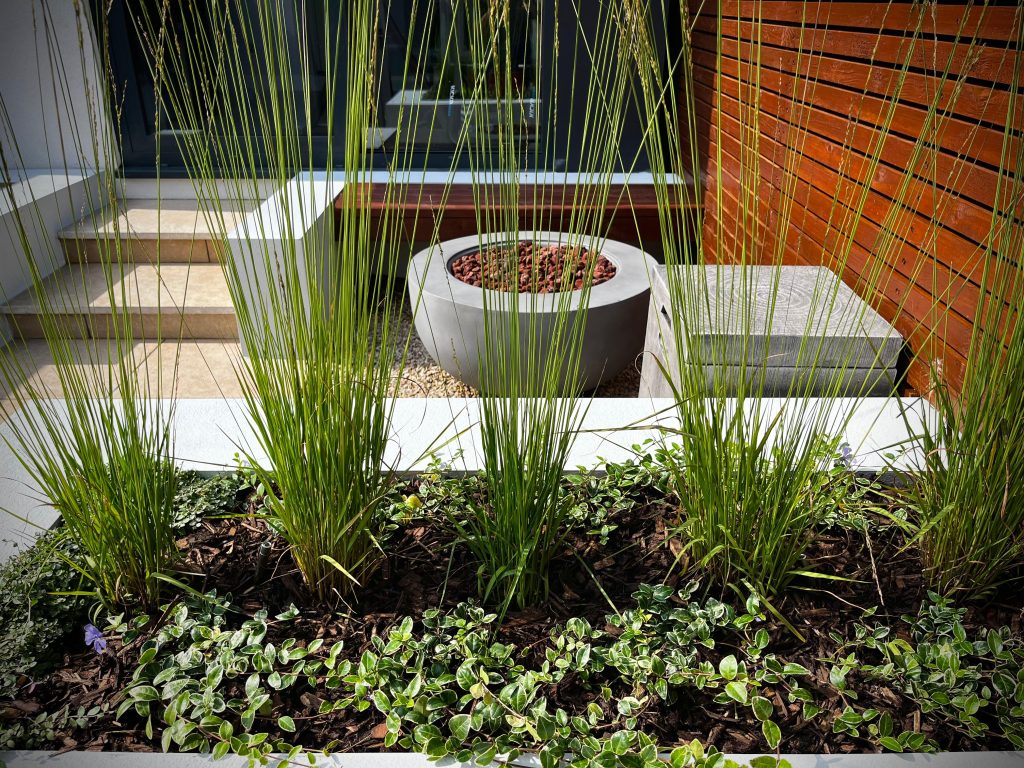
In many cases, thoughtful landscaping also improves kerb appeal and can contribute positively to a property’s overall value.
If you’d like to explore this in more detail, read What Adds the Most Value to a Garden?
Start With Your Priorities
Not every feature has to be completed at once.
One of the smartest ways to manage a budget is to identify what matters most.
Ask yourself:
- What problems need solving immediately?
- Which features would make the biggest difference to how we use the garden?
- What could be added in a second phase?
- Are there existing elements worth keeping?
A phased approach often allows homeowners to achieve a much higher-quality result without compromising the overall design.
The important thing is that the garden is planned as a complete project from the beginning, even if it’s built over time.
Spend Money Where It Matters Most
Every garden contains elements that are seen every day and elements that disappear beneath the surface.
Ironically, it’s often the hidden work that has the greatest impact on the lifespan of the finished garden.
A quality project typically prioritises:
- Proper excavation.
- Stable foundations.
- Effective drainage.
- Correct construction methods.
- High-quality installation.
Beautiful paving installed on poor foundations will eventually fail.
Excellent planting placed in poorly prepared soil will struggle to thrive.
The features people admire most are only as good as the work they cannot see.
Cheap Landscaping Often Becomes Expensive Landscaping
It’s understandable to compare quotations.
Everyone wants good value.
However, the cheapest quotation is not always the least expensive in the long term.
Poor workmanship can lead to:
- Settlement.
- Loose paving.
- Drainage problems.
- Weed growth.
- Premature repairs.
- Complete replacement.
Repairing work that should have been done correctly the first time is almost always more expensive than investing in quality from the outset.
If you’re comparing quotations, our guide Why Are Paving Quotes So Different? explains why prices can vary significantly and what you should be looking for beyond the final figure.
Build Contingency Into Your Budget
Even the best planned projects occasionally uncover unexpected conditions once work begins.
These might include:
- Hidden services.
- Poor ground conditions.
- Additional drainage requirements.
- Existing construction that wasn’t visible.
- Tree roots or buried foundations.
For this reason, it’s sensible to allow a contingency rather than budgeting to the last euro.
Doing so gives you flexibility if unforeseen issues arise and reduces stress throughout the project.
A Good Designer Can Help You Spend Less—Not More
Many people assume hiring a designer automatically increases the overall cost.
In reality, good design often prevents expensive mistakes.
It helps you:
- Prioritise spending.
- Avoid unnecessary work.
- Phase projects effectively.
- Select materials suited to your lifestyle.
- Create a garden that works properly from the beginning.
In many cases, the savings from avoiding poor decisions outweigh the cost of professional design.
Budget for the Future Too
Your initial build isn’t the end of the story.
Every garden requires some level of ongoing care.
As plants mature, they will need pruning.
Lawns require attention.
Hard landscaping benefits from periodic cleaning and maintenance.
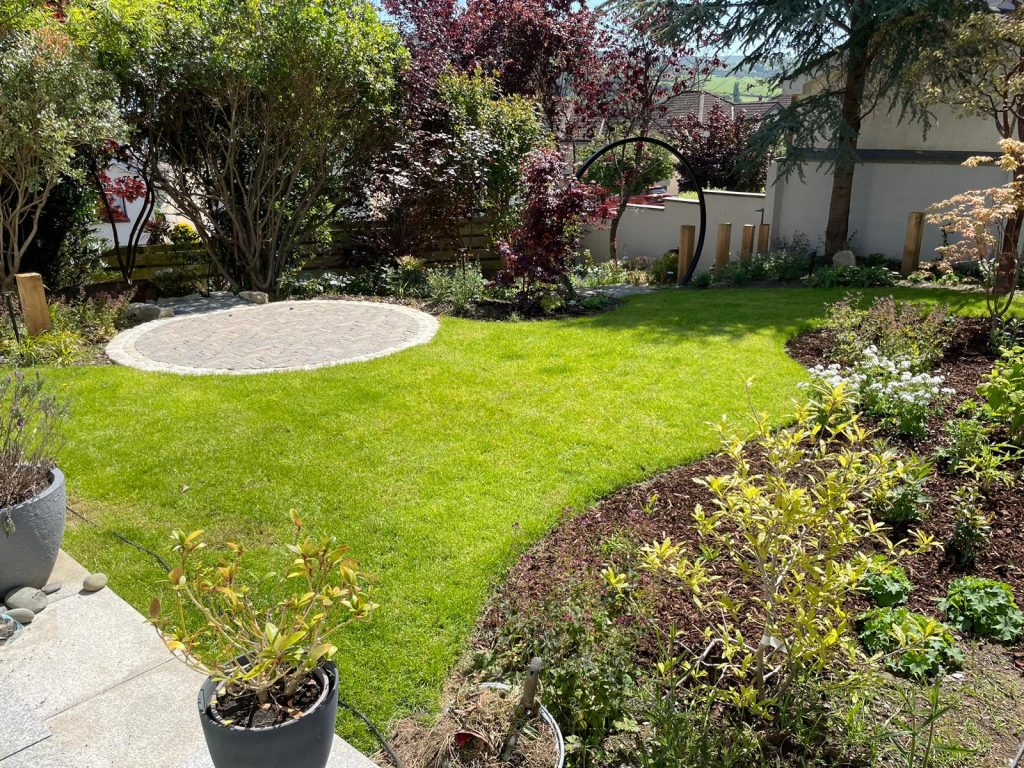
Planning for these ongoing costs helps ensure your garden continues to improve rather than gradually decline.
Our guide How Often Should I Have My Garden Maintained? explains how regular maintenance protects both the appearance and the value of your investment.
Key Takeaway
The best gardens aren’t always the most expensive.
They’re the ones where the budget has been invested wisely.
Prioritise good planning, quality construction and the features that genuinely improve the way you live.
A realistic budget isn’t about limiting your ambitions—it’s about making informed decisions that deliver lasting value.
Chapter 5
Creating a Garden That Flows
One of the easiest ways to recognise a professionally designed garden is that it simply feels right.
People instinctively know where to walk.
They naturally move from one area to another.
Nothing feels cramped or awkward.
The garden feels larger than it actually is.
This isn’t an accident.
It’s the result of careful planning.
Good garden design is about creating a journey through the space, where every feature feels connected and every area has a purpose.
Think in Outdoor Rooms
Just as your home is divided into rooms with different functions, your garden should be organised in the same way.
Instead of treating it as one large open space, divide it into areas that support different activities.
For example:
- A dining terrace for entertaining.
- A lounge area for relaxing.
- A lawn for children and pets.
- A planting area to soften the landscape.
- A productive vegetable garden.
- An outdoor fitness space.
- A discreet utility area for bins and storage.
Not every garden needs every feature.
The important thing is that every part of the garden has a reason for being there.
Purpose creates clarity.
Start With the Main Destination
Ask yourself one simple question.
Where do I want people to end up?
Perhaps it’s a sunny seating area.
A dining terrace.
A pergola.
An outdoor kitchen.
Maybe it’s simply the best view of the garden.
Once you know the destination, the rest of the layout begins to make sense.
Paths become more natural.
Planting frames the journey.
Features support the experience instead of competing with one another.
Movement Should Feel Natural
People rarely walk in perfectly straight lines.
Neither should your design force them to.
Paths should connect spaces logically and comfortably.
Avoid creating unnecessary obstacles or awkward routes that encourage people to cut across lawns or planting beds.
The best layouts often feel effortless because they follow the way people naturally move.
Balance Open Space With Structure
Every successful garden needs breathing space.
It’s tempting to fill every corner with paving, planting or features, but overcrowding usually makes a garden feel smaller.
Instead, create a balance between open areas and more detailed spaces.
A simple lawn can make surrounding planting appear richer.
A quiet seating area allows feature planting to stand out.
Negative space is just as important as the elements you choose to include.
Good design is often about knowing what to leave out.
Consider the View From Inside the House
Your garden isn’t only experienced when you’re outside.
For much of the year, you’ll enjoy it from your kitchen, dining room or living room.
Take time to stand inside your home and look out.
Ask yourself:
- What is the first thing you notice?
- Is there a natural focal point?
- Are bins or sheds dominating the view?
- Could planting improve the outlook?
- Is there an opportunity to frame a feature?
A garden should look attractive from every angle, not just from the patio.
Create Focal Points
Every well-designed garden benefits from one or two features that naturally draw the eye.
These might include:
- A specimen tree.
- A water feature.
- A pergola.
- Feature planting.
- A sculpture.
- An outdoor fireplace.
- A beautifully detailed seating area.
The purpose of a focal point is not to dominate the garden.
It’s to give the eye somewhere to rest.
Without one, a garden can feel busy but directionless.
Scale Is More Important Than Size
A common mistake is choosing features that are either too large or too small for the available space.
Oversized patios can make a garden feel empty.
Tiny planting beds become difficult to maintain and rarely provide enough room for plants to mature properly.
The goal is proportion.
Every feature should feel as though it belongs within the overall composition.
Often, reducing the number of elements creates a stronger design than continually adding more.
Keep the Future in Mind
Remember that gardens change.
Trees grow.
Shrubs mature.
Families evolve.
Children become teenagers.
What works today should still work ten years from now.
A flexible layout allows the garden to adapt without requiring major reconstruction.
This long-term thinking separates timeless gardens from fashionable ones.
Key Takeaway
A successful garden isn’t simply a collection of attractive features.
It’s a carefully planned series of connected spaces that guide movement, support your lifestyle and create memorable experiences.
When every area has purpose and every transition feels natural, the entire garden becomes greater than the sum of its individual parts.
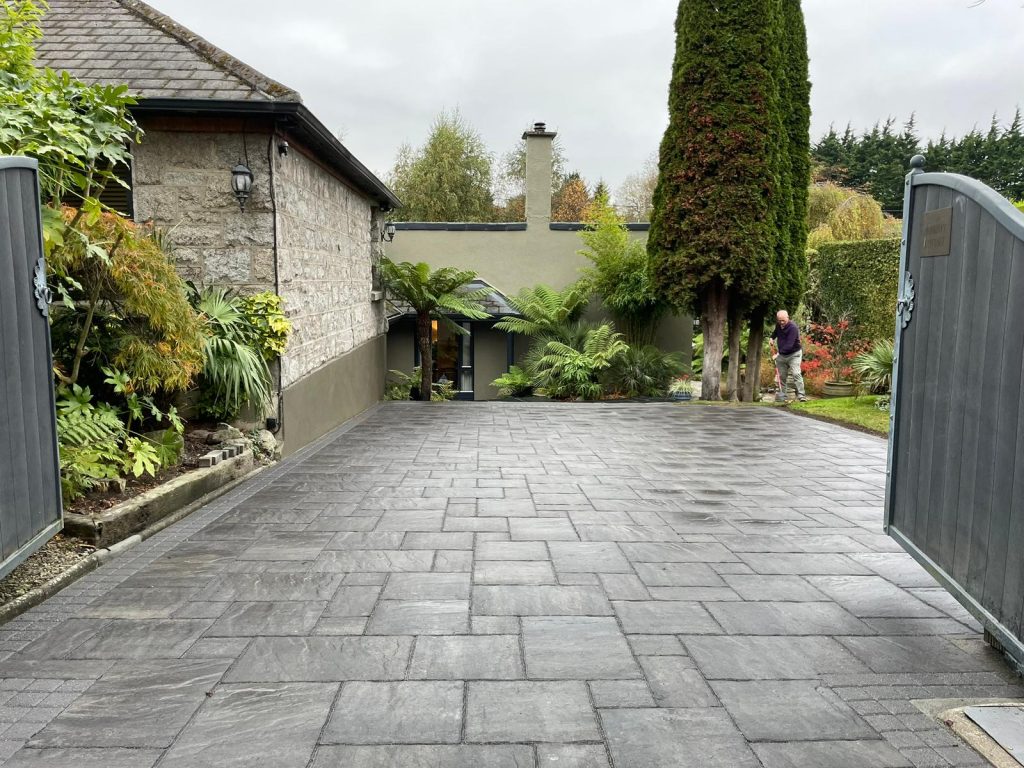
If you’re looking for inspiration on how thoughtful layouts improve the appearance of a property, our article How Do Landscape Designers Create Curb Appeal? explores how professional designers create gardens that feel balanced, welcoming and visually cohesive.
Chapter 6
Choosing Materials That Will Stand the Test of Time
Many homeowners begin their project by choosing materials.
It feels like a logical place to start.
However, the material itself is only part of the decision. A beautiful product installed in the wrong place can become a disappointment. On the other hand, the right material can look fantastic for decades.
The goal isn’t to choose the most expensive option.
The goal is to choose the option that suits your home, your lifestyle and the way you intend to use the space.
Start With Your Home
Every garden should feel connected to the house.
Ask yourself one simple question.
Does this material look like it belongs here?
For example, a contemporary home often suits large-format porcelain paving with clean lines.
By comparison, a traditional cottage may feel more comfortable with natural sandstone or reclaimed brick.
There are no absolute rules.
Nevertheless, the closer the relationship between house and garden, the more natural the finished result will feel.
Think About How You Live
Next, think about your daily routine.
Do you enjoy entertaining?
Do your children play outside?
Do you have dogs?
Would you prefer something that needs very little maintenance?
Your answers matter.
For instance, a family with young children may value durability above everything else.
Meanwhile, someone who loves gardening may happily accept a little more maintenance in exchange for the character of natural stone.
Natural Stone or Porcelain?
This is one of the most common questions we hear.
Both materials are excellent.
However, they offer different benefits.
Natural sandstone provides variation, texture and character. Every slab is unique, which gives the finished patio a timeless appearance.
Porcelain offers a cleaner and more contemporary finish. It is also less porous, making it easier to keep clean.
Neither material is automatically better.
The right choice depends on your priorities.
If you’d like a detailed comparison, read Porcelain vs Indian Sandstone.
Don’t Forget the Hidden Materials
Most people focus on what they can see.
Professional landscapers also think about what lies beneath the surface.
For example:
- Sub-base materials.
- Drainage stone.
- Concrete foundations.
- Jointing compounds.
- Edge restraints.
These elements are rarely noticed once the project is complete.
Even so, they often determine whether the garden still performs well twenty years later.
Think Beyond the Patio
A successful garden usually combines several materials.
For example:
- Paving for seating areas.
- Gravel for informal paths.
- Timber or composite decking where appropriate.
- Steel edging to create crisp planting beds.
- Decorative stone to soften transitions.
Using one material throughout the entire garden can sometimes feel repetitive.
Instead, aim for a small palette of materials that complement each other.
Consistency almost always looks better than complexity.
Consider Maintenance
Every material requires some level of care.
The question isn’t whether maintenance is needed.
The question is how much you’re prepared to do.
Natural stone may require occasional cleaning.
Timber will weather over time.
Composite decking reduces maintenance but still benefits from regular washing.
Choosing a material that matches your lifestyle usually leads to greater long-term satisfaction.
If low maintenance is important to you, keep that in mind from the beginning rather than treating it as an afterthought.
Think Long-Term
It’s easy to fall in love with a product in a showroom.
However, your garden won’t be viewed under showroom lighting.
It will experience Irish rain, frost, sunshine and daily use.
Ask yourself:
- Will I still like this in ten years?
- Will it complement mature planting?
- Will it suit future improvements?
Timeless materials generally age better than fashionable ones.
That is one reason many of the world’s finest gardens still rely on simple, honest materials.
Quality Installation Matters More Than Quality Materials
This surprises many homeowners.
A premium paving slab installed badly will almost always perform worse than a mid-range product installed correctly.
Preparation, drainage, levels and workmanship all have a greater influence on longevity than the brand printed on the packaging.
That’s why it’s important to look beyond the brochure and understand how the project will actually be built.
Key Takeaway
Choosing materials is about much more than appearance.
Think about your home, your lifestyle, your maintenance expectations and the quality of the installation.
When those factors work together, your garden will continue to look and perform beautifully for many years to come.
Conclusion
Great Gardens Don’t Happen by Chance
Designing a garden is about much more than choosing paving, plants or furniture.
It’s about creating a space that works for your lifestyle, complements your home and continues to improve with time.
The most successful gardens begin with a clear purpose. They respond to the unique characteristics of the site, balance beauty with practicality and are built on sound construction principles that will stand the test of time.
Perhaps the biggest lesson throughout this guide is this:
Every decision influences the next.
The layout affects movement.
The materials influence maintenance.
The planting shapes the atmosphere.
Drainage protects the investment.
Lighting changes how the space feels after dark.
When these elements are considered together, the result is far greater than the sum of its parts.
You don’t need the biggest budget to create a beautiful garden.
You need a clear plan, thoughtful decisions and a design that reflects the way you want to live.
Whether you’re planning a complete garden transformation or simply making improvements one step at a time, investing time in the planning stage will almost always produce a better result.
A well-designed garden doesn’t just improve your property.
It improves the way you experience your home every single day.
Continue Your Journey
If you’d like to explore specific topics in more detail, these guides are a great place to start:
- How Do Landscape Designers Create Curb Appeal?
- What Adds the Most Value to a Garden?
- Porcelain vs Indian Sandstone
- Can a Landscaper Help With Poor Drainage in My Garden?
- How Often Should I Have My Garden Maintained?
- Can I Install a Calisthenics Gym in My Backyard?
- Why Does My Indian Sandstone Have White Marks On It?
For trusted horticultural advice, the Royal Horticultural Society (RHS) and Teagasc both provide excellent information on plants, soils and gardening in Irish conditions.